
How Do You Choose Formal Summer Wedding Guest Dresses?
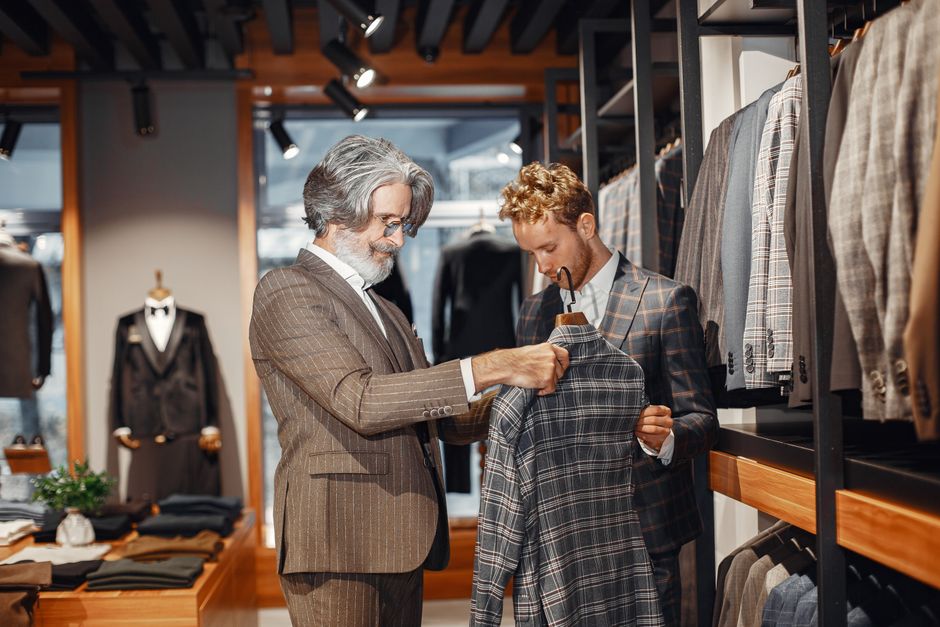
Choose formal summer wedding guest dresses by matching length and polish to the invitation, time, and local customs, then adapting fabric and shoes to the heat and venue. A full-length dress is a reliable formal choice, while a dressy cocktail or afternoon dress may suit a daytime ceremony. Favor breathable, lightweight fabric, avoid bridal-looking colors, and plan for sun, terrain, and cooler evening weather.
What should guests wear to a formal summer wedding?
Guests should wear polished attire that fits the wedding’s stated dress code, time, and setting. For a formal daytime wedding, the Emily Post Institute says a cocktail or dressy afternoon dress can be appropriate; for a formal evening wedding, a long evening dress or dressy cocktail dress may fit, depending on local custom.
That distinction helps resolve a common wardrobe question: “formal” does not always require the same hemline. The Knot places formal between cocktail and black tie, describing ankle-length dresses and dressy separates as options while identifying full-length as a reliable choice. If the invitation is explicit, follow it; if it is not, use time and venue as clues. Emily Post emphasizes that the invitation and time are strong guides, while religious or cultural traditions and local customs can change expectations.
For a more specific fit or shopping question, see this guide to petite formal dresses for wedding guests. Whatever the length, the outfit should read as occasionwear: considered shoes and accessories can make a lighter summer dress feel formal, while an overly casual cut or fabric can undermine an otherwise elegant look.
What is the dress code for a formal summer wedding?
A formal summer dress code calls for elevated attire between cocktail and black tie, adjusted for the ceremony’s time, location, and local expectations. The Knot notes that full-length is a dependable choice, but ankle-length dresses and dressy separates can also work; Emily Post distinguishes daytime from evening options.
Color and fabric do part of the work. The Knot recommends lighter fabrics and brighter colors for summer formal attire, but advises against white, ivory, cream, and champagne dresses. Martha Stewart likewise advises against white or colors that could be construed as white unless the couple specifies otherwise. A seasonal palette can feel bright without looking bridal: choose a clear color or print that remains dressy in its cut and finish.
Fabric choice is a heat-management decision as well as a style decision. Georgia Tech’s textile expert Sundaresan Jayaraman explains that linen transports moisture away from the body at a higher moisture-vapor transport rate than cotton or polyester. Linen’s stiffness can help it avoid clinging and promote airflow, but it also wrinkles and may have a less elegant drape. Cotton can be comfortable in less humid conditions or for shorter periods, yet it holds absorbed moisture longer than linen. Specially treated polyester can improve moisture-wicking performance; ordinary polyester absorbs little moisture.
Look beyond the fiber name: a heavy lining, dense weave, or substantial embellishment adds material between your skin and the air. A lighter, less layered construction may be more comfortable in heat, provided it remains opaque and formal enough for the occasion. The sources do not prescribe a universal fabric or lining weight, so assess the whole garment rather than relying on a label alone.
What is a good formal outfit for a summer wedding?
A good formal summer wedding outfit combines a dress or polished separate with the right degree of coverage, breathable construction, and shoes suited to the venue. For a garden ceremony, a refined midi or ankle-length dress with block heels or wedges can balance formality with practical footing. For an evening event, a full-length dress is a safe choice when the invitation signals higher formality.
Venue and weather should be considered together. The National Weather Service explains that heat index combines air temperature and relative humidity to estimate how hot conditions feel, because high humidity slows sweat evaporation. Its example shows how sharply humidity can change perceived heat: at 100°F, the heat index is 124°F at 55% relative humidity, compared with 96°F at 15% relative humidity. The chart applies in shade; direct sun can raise the heat index by as much as 15°F.
Those figures are not a dress-shopping forecast, but they explain why a sunny, humid outdoor ceremony calls for more attention to airflow, moisture, and time in direct sun than a shaded or cooler event. The National Weather Service identifies a heat index of 103°F or higher as the danger category: heat cramps or exhaustion are likely, and heatstroke is possible with prolonged exposure or activity. Consider the event’s outdoor portion when choosing coverage and fabric.
Use this venue checklist before settling on an outfit:
- Outdoor heat: Prefer lighter, breathable construction and account for sun exposure as well as humidity.
- Evening chill: Bring a shawl or jacket if temperatures may change; Martha Stewart recommends planning a layer for changing weather.
- Grass or sand: Choose block heels or wedges rather than narrow stilettos. Martha Stewart notes that a block heel or wedge is less likely to sink into grass.
- Ceremony-to-reception transition: Check whether the celebration moves between indoor and outdoor spaces, and choose a layer and shoes that can handle both.
What does summer formal mean for wedding attire?
Summer formal means dressing to a formal standard while accounting for warm-weather comfort; it does not mean treating every summer wedding as casual. The dress code sets the level of polish, while season, venue, and local custom guide the practical choices. A full-length dress remains a reliable option, but a dressy daytime or cocktail style can fit some formal ceremonies.
One useful way to decide is to separate the decision into two questions: how formal should the outfit look, and how will it perform in the conditions? The first is answered by the invitation, time, and customs. The second depends on heat, humidity, sun, fabric, lining, and terrain. Solving both prevents a common mismatch: a technically elegant dress that is uncomfortable outdoors, or a cool sundress that is too casual for the stated code. The Knot specifically advises against cotton sundresses for formal events.
Prints and color should follow the same two-part test. A bright or patterned dress may suit summer, but avoid white, ivory, cream, and champagne unless the couple has said otherwise. Keep the silhouette and finish elevated so that seasonal color does not turn the outfit casual. If you are considering a particular shape or fit, the site’s guide to plus-size formal dresses for weddings offers related shopping context.
Frequently Asked Questions
Can I wear a midi dress to a formal summer wedding?
Yes, if it is polished and suits the invitation, time, and local customs. A dressy midi or afternoon dress can work for a daytime formal wedding; for evening formality, a full-length dress is the more reliable choice.
What fabrics keep you cool at a formal outdoor summer wedding?
Linen moves moisture away from the body and allows airflow, though its stiffness can wrinkle and affect drape. Cotton absorbs moisture but retains it longer than linen, while specially treated polyester may improve moisture-wicking compared with ordinary polyester.
What should I wear to a formal summer wedding if I want sleeves?
Choose a formal silhouette with sleeves in a lightweight fabric, and consider how much lining or embellishment adds warmth. The invitation and time of day should guide length and polish; a light shawl or jacket can provide another layer if the evening turns cooler.
Which shoes work with a formal dress at a garden wedding?
Block heels or wedges are practical on grass because they are less likely to sink than stilettos. Choose a dressy pair that suits the formality and is comfortable on the venue’s terrain.
Sources
You may also like
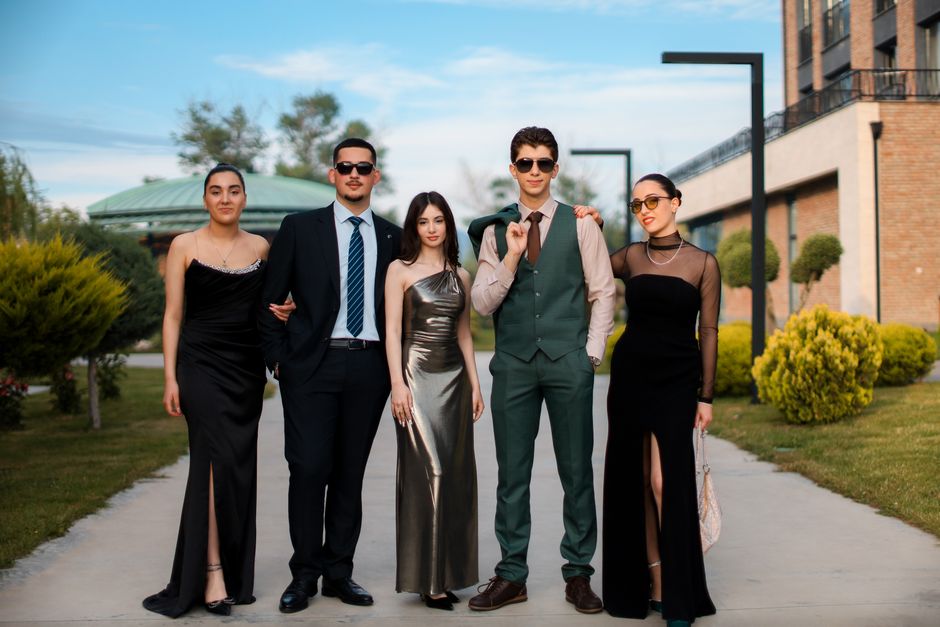
Petite Formal Dresses for Wedding Guests: A Buying Guide
Choose petite formal dresses for wedding guests by matching the dress code, garment proportions and planned shoes.
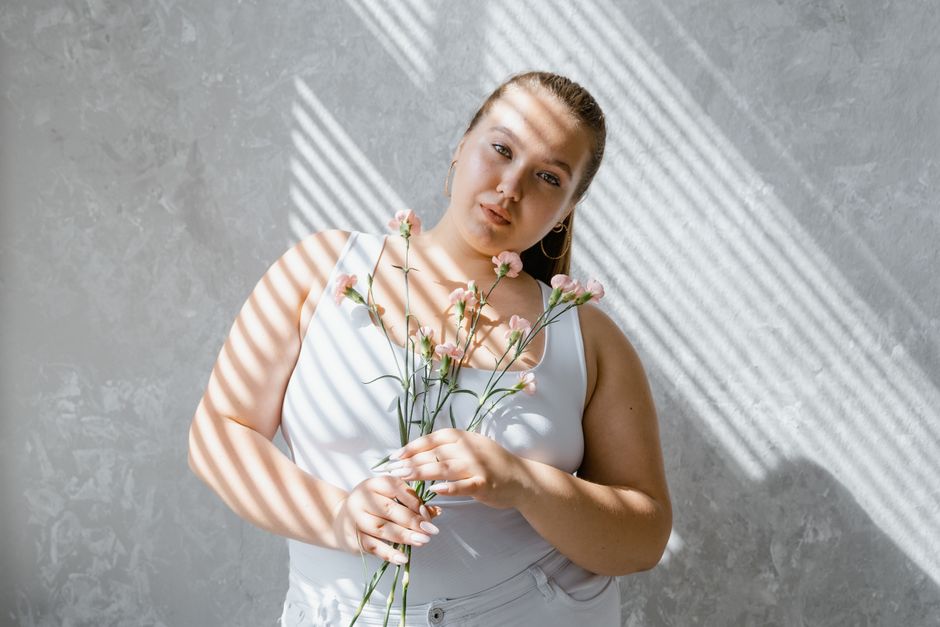
Cheap Plus Size Formal Dresses for Weddings: Find Real Value
Compare cheap plus size wedding dresses by total cost, fit risk, quality details, and return terms before you rent or buy.
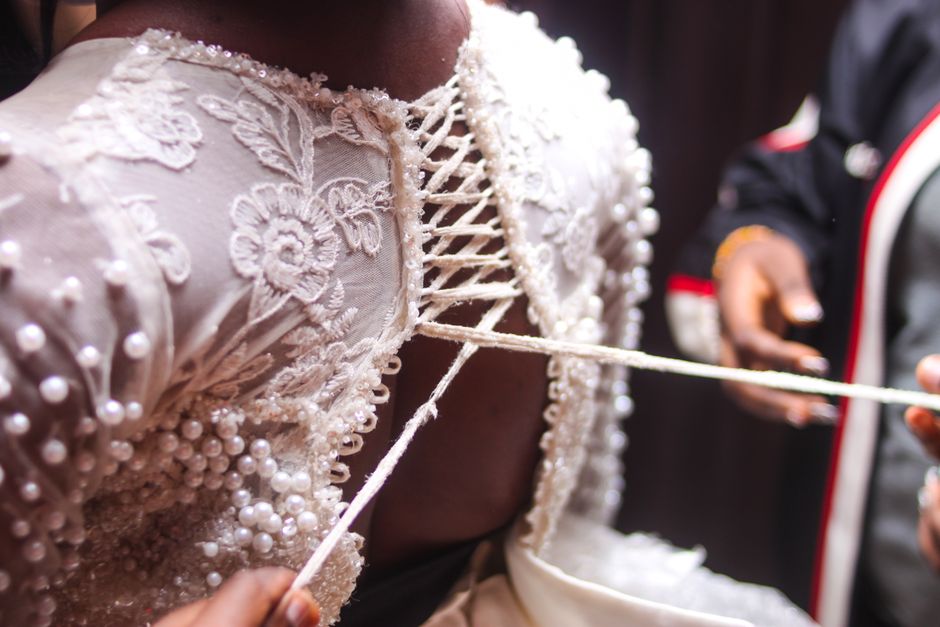
How Should I Prepare for My First Wedding Dress Appointment?
A practical guide to your first wedding-dress appointment: budget, timing, undergarments, fittings, and choosing the right guests.
What Lingerie Should I Wear Under Different Outfits?
A fit-focused guide to invisible, comfortable lingerie for fitted dresses, sheer tops, leggings, white clothing, and backless outfits.