
Fall Formal Wedding Guest Dresses: Find Your Best Fit
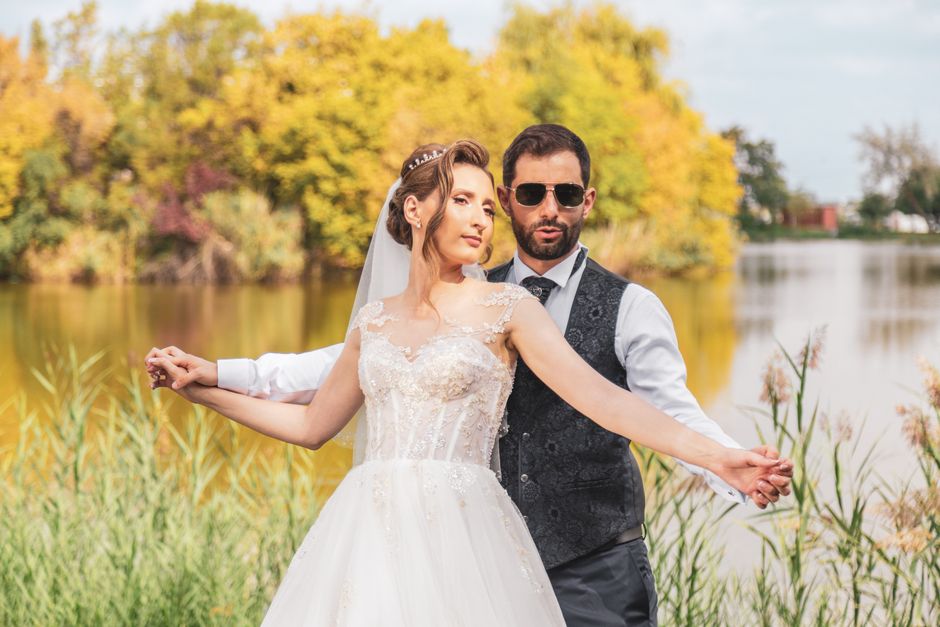
Find fall formal wedding guest dresses by filtering for extended sizes, then compare your body measurements with the garment’s own chart, inspect fiber content, lining, weight, seams, and customer photos, and check the return deadline and fees before paying. Test the fit through movement and plan for the venue’s weather; the best silhouette depends on your proportions and comfort, not the size label.
Where can I find fall formal wedding guest dresses in extended sizes?
Look for retailers whose listings explicitly show the size range, garment measurements, fabric details, and return terms; the provided research does not identify specific stores or product availability. Treat the listing as a set of facts to verify, not as proof that a dress will fit or look formal in person. Use the same checks across plus-size, standard, petite, and tall options.
A practical comparison starts with what is published. The University of Georgia Cooperative Extension explains that apparel labels identify fiber content by percentage, which can offer clues about fabric performance; its care guidance also matters to the garment’s overall value. Texas A&M AgriLife Extension says fabric weight and drape should suit the design, and that construction should look professionally finished.
For a quick scan, compare the listing’s stated details before adding a dress to your shortlist:
- Fiber and care: Find the fiber percentages and care instructions. A low-maintenance fabric may still require care that adds cost or effort.
- Fabric and finish: Look for clues about weight, drape, lining, and opacity. Review close-up photos for seams and finishes that appear consistent.
- Fit evidence: Check whether the listing supplies garment measurements and customer photos that show the dress from more than one angle.
- Returns: Read the full policy before purchase, including deadlines and fees.
The fit problem is not limited to size availability. A Scottish Sun report about a Reddit Wedding Attire Approval discussion describes a proposed dress for an October wedding in New York’s Finger Lakes region. The poster wanted a breathable option in case October remained warm, while asking for plus-size alternatives with better quality; commenters also raised concerns about mesh and cool weather. The report cites a forecast high of 62°F and low of 42°F. That example makes the practical sequence clear: check the venue and forecast, then decide whether the dress needs a layer, rather than judging it only by its product photo.
What should I check in the size chart before ordering a formal dress online?
Compare your personal measurements with the garment measurements in the listing, because apparel sizes vary by style and manufacturer. Kansas State University Research and Extension explicitly advises comparing measurements rather than relying on a size label. If the listing provides only a generic size chart, it may not tell you how the particular dress will fit.
Check the measurements that determine whether the design will sit and move as intended: bust, waist, hips, and the relevant length measurements shown by the seller. Compare the listed numbers with your own measurements, and note whether the chart describes body measurements or the garment itself. Those are not interchangeable; where a listing is unclear, treat the missing detail as uncertainty rather than assuming a match.
Proportion matters alongside circumference. Kansas State describes petite sizing as shorter overall proportions and length, while tall sizing uses longer proportions and additional length. For any size range, check skirt and sleeve lengths against the listing and your needs. Texas A&M’s fit standards also point to enough ease for movement, smoothness over undergarments, and design details placed appropriately.
Use a short comparison table to separate published facts from gaps. The research sources provide no prices or named product options, so those cells remain unpublished rather than estimated.
| Option | Who it suits | Cost | Key limitation |
|---|---|---|---|
| Petite sizing | Shoppers needing shorter overall proportions and length | not published | Specific garment measurements and availability are not published |
| Tall sizing | Shoppers needing longer proportions and additional length | not published | Specific garment measurements and availability are not published |
| Extended/plus sizing | Shoppers looking for larger listed sizes; compare actual garment measurements | not published | Sources do not identify retailers, size ranges, or product quality |
| Standard sizing | Shoppers whose measurements align with the specific listing | not published | Size labels vary by style and manufacturer |
For more on proportion-specific choices, see Petite Formal Dresses for Wedding Guests: A Buying Guide. If price is a key filter, Cheap Plus Size Formal Dresses for Weddings: Find Real Value is a related guide.
How can I tell whether a formal wedding guest dress will fit well without trying it on?
Use the listing to assess measurements, fabric behavior, construction, and movement—and keep a return option available in case the fit still fails. Texas A&M AgriLife Extension’s clothing quality standards say a garment should have weight and drape suited to its design, look appropriate on and off the body, and allow enough ease for movement. Listing photos cannot confirm every fit detail, but they can help you identify what to verify.
Start with fabric content and care. The University of Georgia Cooperative Extension describes polyester as wrinkle-resistant in wear and commonly blended with other fibers. It describes wool as warm and wrinkle-resistant, with a risk of shrinking or felting if laundered improperly; cotton is absorbent and comfortable but wrinkles unless treated. These are performance clues, not a standalone score for quality. Read the fiber percentages and care label together.
Next, inspect photographs for lining, opacity, seams, and how the fabric falls. Look for enough views to judge whether the dress appears smooth over the body and whether design details sit as intended. The standards from Texas A&M emphasize professional appearance and construction that does not distract from the garment. If critical details are absent—such as close-ups or a clear lining description—avoid treating the gap as a guarantee.
Then run the movement test when the dress arrives: sit, walk, bend, and reach. Kansas State recommends assessing fit during those activities and notes that pulling or tugging after movement signals an improper fit. Before ordering, you can use that standard to judge whether the listing supplies enough measurements and room for your expected range of movement.
Finally, make returns part of the fit plan. The Michigan Department of Attorney General advises checking whether returns are accepted and noting the deadline before buying. Confirm refund method, receipt requirements, return shipping, and restocking fees; save the policy and purchase records. The department notes some retailers set deadlines as short as 14 days, so check the actual policy promptly rather than assuming a standard window.
Frequently Asked Questions
Which dress fabrics are less likely to look cheap or wrinkle during a wedding?
Fiber content can help predict care and wear: the University of Georgia Cooperative Extension describes polyester as wrinkle-resistant, while cotton wrinkles unless treated. Wool is warm and wrinkle-resistant but can shrink or felt if laundered improperly. No fiber guarantees a polished look; also assess fabric weight and drape, lining, opacity, and construction.
What should I look for in a store's return policy when ordering a wedding guest dress?
Check whether returns are accepted, the deadline, whether refunds go back to your card or become store credit, and whether you need a receipt. Also confirm return-shipping and restocking fees, then save the policy and purchase records. Some retailers set deadlines as short as 14 days, according to the Michigan Department of Attorney General.
Are there formal fall wedding guest dresses that work for petite or tall proportions?
Yes. Petite sizing generally uses shorter overall proportions and lengths, while tall sizing provides longer proportions and additional length, according to Kansas State University Research and Extension. Compare the specific garment measurements with your own and check skirt and sleeve lengths; public data here does not identify particular dresses or retailers.
Sources
- University of Georgia Cooperative Extension, Textiles — Quality and Selection
- University of Georgia Cooperative Extension, Textiles — Understand Your Fibers
- Texas A&M AgriLife Extension — Clothing Quality Standards
- Kansas State University Research and Extension — Essential Living Skills: Apparel Management
- Michigan Department of Attorney General, Consumer Protection — Avoiding Unhappy Returns
- The Scottish Sun — October wedding dress discussion report
You may also like

How Do You Choose Formal Summer Wedding Guest Dresses?
Choose formal summer wedding guest dresses by matching the dress code to breathable fabrics, suitable colors, and venue-ready shoes.
Cheap Plus Size Formal Dresses for Weddings: Find Real Value
Compare cheap plus size wedding dresses by total cost, fit risk, quality details, and return terms before you rent or buy.
Petite Formal Dresses for Wedding Guests: A Buying Guide
Choose petite formal dresses for wedding guests by matching the dress code, garment proportions and planned shoes.
What Lingerie Should I Wear Under Different Outfits?
A fit-focused guide to invisible, comfortable lingerie for fitted dresses, sheer tops, leggings, white clothing, and backless outfits.