
Fall Formal Wedding Guest Dresses: Choose the Right Look
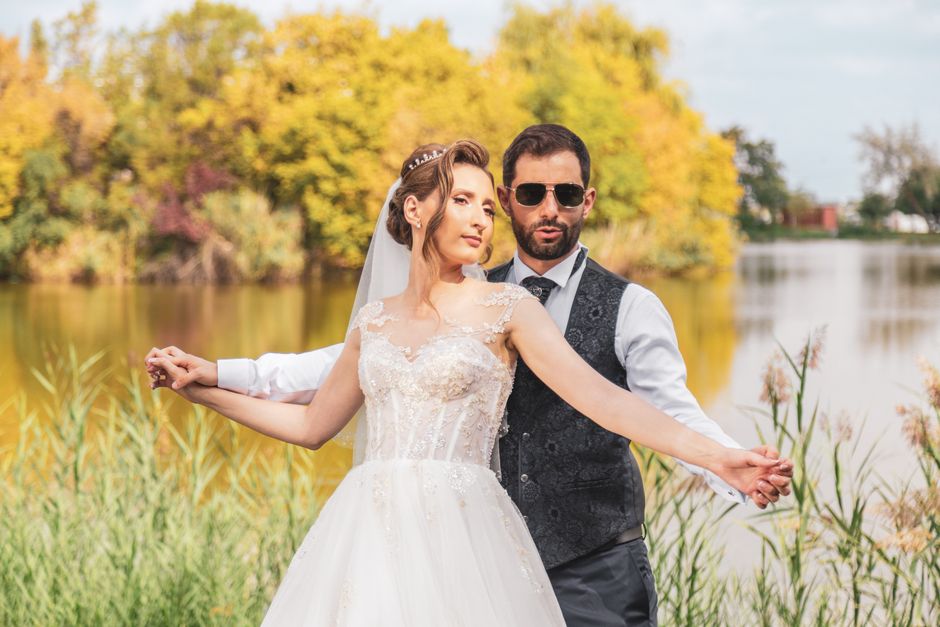
Choose fall formal wedding guest dresses by checking the invitation, time, and any cultural or religious requirements first. For an evening formal wedding, a long gown or dressy cocktail dress can work; for daytime, consider a cocktail or dressy afternoon dress. Then use the venue and dress code to guide length, fabric, and color, favoring polished autumn shades without choosing white or ivory.
What do I wear to a formal fall wedding?
For a formal fall wedding, wear a polished cocktail or dressy afternoon dress for daytime, or a long evening dress or dressy cocktail dress for evening. The Emily Post Institute identifies the invitation and time of the wedding as the best initial guides to formality; service requirements, cultural expectations, and local customs can also shape the choice.
Use a quick decision sequence. First, follow any specific dress-code wording on the invitation. Next, note the time: Emily Post says guests attending events after 6 p.m. should err on the side of formality. Finally, check whether the ceremony or local customs call for particular coverage or attire. That order prevents a season-led choice, such as a dramatic velvet gown, from being either too casual or unnecessarily elaborate.
Formal is not the same as semi-formal. Emily Post describes semi-formal as less formal: daytime options include a dressy afternoon dress, suit, or pantsuit, while evening options include a cocktail dress or dressy pantsuit. If the invitation says black-tie optional, the institute allows a formal evening gown, shorter cocktail dress, little black dress, or dressy separates. When the code is unclear, choose the more polished option and let fit and fabric do the work.
What colors are best for a fall wedding guest dress?
For a fall wedding guest dress, consider deeper colors such as emerald, burgundy, dark purple, navy, and black, while avoiding white and ivory. The Knot recommends letting the dress code guide color and describes darker, moodier palettes as fitting fall and winter weddings, especially evening ceremonies.
Think of color as a two-part choice: season and setting. A jewel tone such as sapphire or emerald can feel rich without relying on a print; navy or black offers a versatile base when the event is formal. The Knot notes that an ivory-ground print can also be polarizing, so a small pattern does not automatically resolve the risk of looking too bridal in photographs.
Before buying, compare the color with the invitation's formality and the event time. A vivid runway shade may be current, but trend alone does not establish wedding appropriateness. Choose a color that reads clearly as guest attire and pair it with a dress shape and finish that match the dress code.
What are some good dresses for a fall wedding guest?
Good options depend on the guest's priority: long sleeves, fit, mature styling, budget, or rewear potential. The supplied sources do not provide retailer products, prices, size ranges, or fit reviews, so a useful comparison is based on dress type and what the etiquette and trend guidance actually supports.
For a formal evening, a long gown is the clearest traditional choice; a dressy cocktail dress is also supported by Emily Post. For daytime formal, consider a dressy afternoon dress or cocktail dress. If you want coverage, look for a long-sleeved version within one of those categories, but the sources do not identify specific sleeve designs or products. For a plus-size or mature-style purchase, prioritize the cut and comfort that suit the wearer; published fit or age-specific recommendations are not available in these sources.
Fabric offers a practical point of difference. Vogue's fall 2026 runway overview reports velvet and lace among prominent materials. The Metropolitan Museum of Art explains that velvet is made with a pile created during weaving; cut silk velvet has sheen and depth of color that shift as it folds and catches light. That dimensional finish can bring interest to a relatively simple silhouette. The trade-off is that a strong texture or embellishment may make a dress less versatile for rewear than a restrained shape and color; that is a styling consideration, not a source-reported product outcome.
| Option | Who it suits | Cost | Key limitation |
|---|---|---|---|
| Long evening dress | Guests attending formal evening weddings who want a floor-length option | Not published | May be more formal than needed for daytime; local customs matter |
| Dressy cocktail dress | Guests seeking a formal daytime or evening option | Not published | Specific hemline and product details are not published |
| Dressy afternoon dress | Guests attending a formal daytime wedding | Not published | Not identified by Emily Post as the evening formal option |
| Velvet dress | Guests interested in a fall 2026 runway material and depth of color | Not published | Trend reporting does not establish suitability for every dress code |
| Lace dress | Guests interested in a material Vogue identifies in fall 2026 collections | Not published | Specific cuts, coverage, and product options are not published |
Use this table as a shortlist, not a shopping ranking. If budget, sleeve length, plus-size availability, or rewear is decisive, compare actual retailer listings for price, measurements, fabric composition, and return terms; those details are not covered by the cited sources. For petite guests, this petite formal dress buying guide offers a related fit-focused resource.
What does fall formal attire mean?
Fall formal attire means dressing to the event's formal code while adapting fabric and color to the season; it does not mean every guest must wear a floor-length gown. For daytime formal, Emily Post includes cocktail or dressy afternoon dresses. For evening formal, it includes a long evening dress or dressy cocktail dress, with local customs influencing the choice.
Keep the categories distinct. Semi-formal is less formal than formal, while black tie and black-tie optional each have their own range of acceptable outfits. Emily Post lists a floor-length evening gown, dressy cocktail dress, or dressiest little black dress for women at black tie; black-tie optional also permits shorter cocktail dresses and dressy separates. When an invitation names one of these codes, follow that label rather than treating “fall” as the dress code.
For a 2026 seasonal filter, Vogue reports velvet and lace alongside jewel-toned gowns, bold brights, abstract prints, draping, ruffles, bubble hems, peplums, drop waists, and Art Deco-inspired jewels, paillettes, embroidery, and fringe. These are runway directions, not a checklist for guests. A tailored shape in velvet or lace can bring seasonal texture while keeping the overall look formal; high-volume shapes or conspicuous fringe make a stronger statement and should still fit the event's dress code. For another season's dress-code comparison, see the formal summer wedding guest dress guide.
Frequently Asked Questions
Can I wear a midi dress to a formal fall wedding?
A dressy cocktail dress can be suitable for formal daytime and evening weddings, according to Emily Post, though the source does not define a specific hemline for every cocktail dress. Check the invitation, time, and local customs; if the event is after 6 p.m., Emily Post advises erring on the side of formality.
Are black dresses appropriate for a fall wedding?
Yes. The Knot lists black as a versatile guest option and says it can suit many black-tie settings, particularly for evening events. Let the dress code guide the style and level of formality.
What styles of fall formal wedding guest dresses are popular in 2026?
Vogue's fall 2026 runway report highlights velvet and lace, jewel-toned gowns, draping, ruffles, and Art Deco-inspired embellishment and fringe. Those are trend directions, not requirements; choose a silhouette and finish that meet the invitation's dress code.
Sources
You may also like
Fall Formal Wedding Guest Dresses: Find Your Best Fit
Find fall formal wedding guest dresses by comparing measurements, fabric, fit details, and return terms before ordering.
How Do You Choose Formal Summer Wedding Guest Dresses?
Choose formal summer wedding guest dresses by matching the dress code to breathable fabrics, suitable colors, and venue-ready shoes.
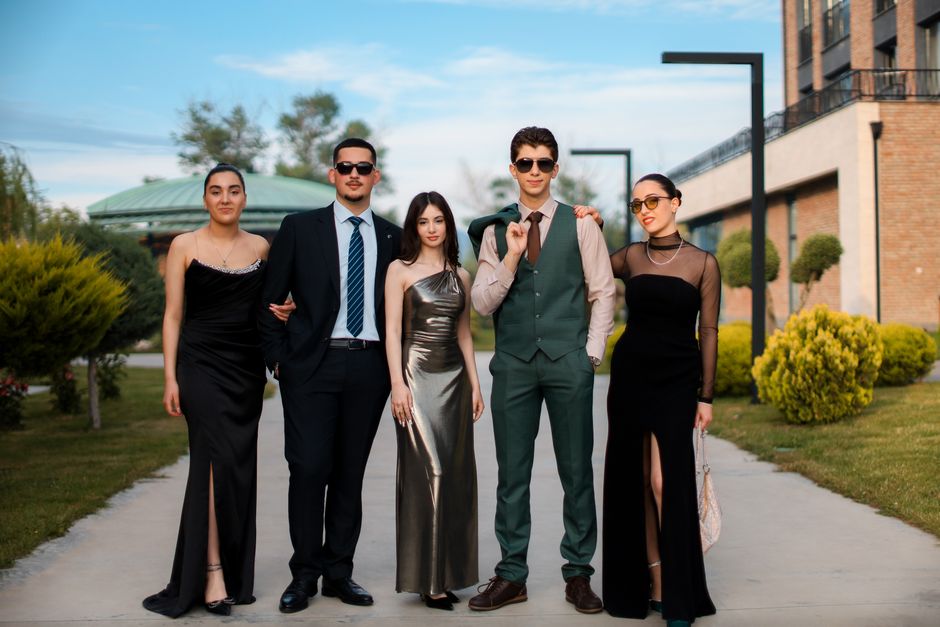
Petite Formal Dresses for Wedding Guests: A Buying Guide
Choose petite formal dresses for wedding guests by matching the dress code, garment proportions and planned shoes.
What Lingerie Should I Wear Under Different Outfits?
A fit-focused guide to invisible, comfortable lingerie for fitted dresses, sheer tops, leggings, white clothing, and backless outfits.