
How Do You Choose Formal Mother of the Bride Dresses?

Choose formal mother of the bride dresses by matching the invitation’s dress code and the wedding’s style, then test the gown for fit and movement. A floor-length gown is one black-tie option, not the only one; an elevated shorter dress or coordinated separates may also fit, depending on the wording. Coordinate with the wedding palette without matching the bride or bridesmaids, and plan ahead for alterations.
What should the mother of the bride wear to a formal wedding?
The mother of the bride should wear an outfit that fits the invitation’s dress code and the formality of the wedding. Start with the exact phrase on the invitation: “black tie” and “black-tie optional” offer different ranges of choice.
The Emily Post Institute explains that black tie for women may mean a floor-length evening gown, a dressy cocktail dress, or a dressy little black dress. For black-tie optional, a formal evening gown, shorter cocktail dress, or dressy separates can work. That distinction means you do not need to default to a floor-length gown without checking the wording.
For a formal look, consider how length, fabric, and embellishment work together. A full-length silhouette can read as eveningwear; a shorter dress may still look appropriate when its cut and finish are dressy. If the invitation is formal but not black tie, use the wedding’s setting and style as the next filter. The mothers’ outfit should suit the event as a whole, as Emily Post’s wedding attire guidance for mothers advises.
What is a good formal dress for a mother of the bride?
A good formal dress is one that meets the dress code, feels distinct from the bridal party, and stays comfortable through the day. The strongest choice is not necessarily the most elaborate one; it is the one that balances formality, fit, and movement.
Use a simple decision sequence. First, settle the dress code and approximate level of formality. Next, identify a silhouette you can move in. Then check the palette and details against the wedding’s style. This order prevents a beautiful color or fabric from distracting from a dress that does not suit the occasion or fit comfortably.
Color coordination is about relationship, not exact matching. Emily Post recommends avoiding colors that are the same as or very similar to the bride’s or bridesmaids’ dresses, while noting that variations on the wedding palette can work if each mother’s outfit remains distinct. Bring a bridesmaids’ fabric swatch or a clear color description when shopping. A swatch is more useful than guessing from a phone photo, a point also made in Estelle Bridal’s guide to mother-of-the-bride dresses.
There is no single “most popular” color established by the provided sources. Rather than treating a color as universally preferred, choose a shade that complements the palette and remains clearly separate from the bridal party’s outfits. Ask for a fabric swatch if the color is difficult to judge in photographs.
What is the most flattering dress for a mother of the bride?
The most flattering dress is the one whose silhouette, neckline, and sleeves work with your preferred fit and let you move naturally. There is no age-based shape rule in the sources; use the garment’s construction and your own comfort as the test.
Estelle Bridal identifies A-line, sheath or column, fit-and-flare, empire-waist, wrap-inspired, and ball-gown silhouettes. These options differ in how close the skirt sits to the body and how much room it gives for movement. A close-fitting column or sheath may look streamlined, but it calls for a careful check of sitting, stairs, and stride. A fuller A-line or ball-gown skirt offers a different shape and should still be tested for ease when seated and walking.
Neckline and sleeves deserve their own movement check. Raise your arms, reach forward, and hug someone; a bodice or sleeve that pulls during those motions can become distracting during photographs and greetings. If you want coverage, a jacket or wrap can be part of the outfit, but bring it to fittings because it can affect how the full look sits.
Think of the fitting as a movement rehearsal, not a mirror check. Estelle Bridal recommends trying the gown while walking, sitting, raising your arms, and bending. Jovani’s alteration guidance adds turning and hugging, and advises checking hems in the intended shoes on level ground and stairs. A useful test is to repeat these motions in sequence and note exactly where anything tugs, rides up, or limits your stride.
What is the most popular color for a mother of the bride dress?
The provided sources do not identify one most popular color. Their practical guidance is to coordinate with the wedding palette while avoiding a shade that is the same as, or very close to, the bride’s or bridesmaids’ dresses.
Ask the couple or wedding party for a palette description or bridesmaids’ swatch before shopping. Then look for a related shade that keeps your outfit distinct. This approach works better than trying to match a color exactly: it respects the overall visual plan without making the mothers’ outfits indistinguishable from the bridal party.
Check actual fabric where possible. Estelle Bridal advises using swatches rather than relying only on phone photos, since a screen image may not be a dependable guide to how a fabric color appears. Keep the swatch or description with your outfit notes so you can compare options consistently.
How can you check comfort and tailoring before the wedding?
Comfort depends on the whole outfit, not the dress alone. Shoes, undergarments, a wrap or jacket, hem length, and sleeve ease can all affect how the gown behaves in motion, so test them together before the wedding day.
At a fitting, bring the shoes and undergarments you intend to wear, plus any wrap or jacket that changes the fit. Check the hem while walking on level ground and stairs. Sit, bend, turn, hug, raise your arms, and try a few dance steps. For close-fitting skirts, pay particular attention to walking, stairs, and sitting; these are the moments when a restrictive cut becomes obvious.
Alterations commonly address hems, bodices, straps, and sleeves, according to Jovani. What can be changed depends on the gown’s construction, lining, and embellishment, so raise fit concerns early rather than assuming every adjustment is simple. For a sleeve that feels tight during a hug or a hem that catches on stairs, show the tailor the exact movement that causes the problem.
Plan the calendar backward from the wedding. Emily Post recommends ordering at least two to three months ahead and allowing at least two weeks for alterations. Jovani suggests a first fitting about six to eight weeks before the wedding once the gown arrives, and an earlier assessment for complex beadwork, multiple skirt layers, or a busy season. These are useful planning points: order early, book the first fitting after arrival, and reserve time to check the finished gown in the full outfit.
Frequently Asked Questions
Does a formal wedding require the mother of the bride to wear a floor-length gown?
No. Emily Post says black-tie attire can include a floor-length gown, a dressy cocktail dress, or a dressy little black dress. The invitation’s exact wording and the wedding’s style help determine which option fits.
How can I choose a formal gown that is comfortable for sitting, walking, and dancing?
Try the gown while sitting, walking, using stairs, raising your arms, hugging, and dancing. Check that the skirt allows a full stride and that sleeves and the bodice do not restrict movement. Bring your intended shoes and undergarments to fittings.
When should I order a mother-of-the-bride gown to leave enough time for alterations?
Emily Post recommends ordering at least two to three months ahead and allowing at least two weeks for alterations. Jovani suggests scheduling a first fitting about six to eight weeks before the wedding after the gown arrives, with an earlier assessment for complex construction or busy periods.
Sources
You may also like
How Do You Choose Formal Summer Wedding Guest Dresses?
Choose formal summer wedding guest dresses by matching the dress code to breathable fabrics, suitable colors, and venue-ready shoes.
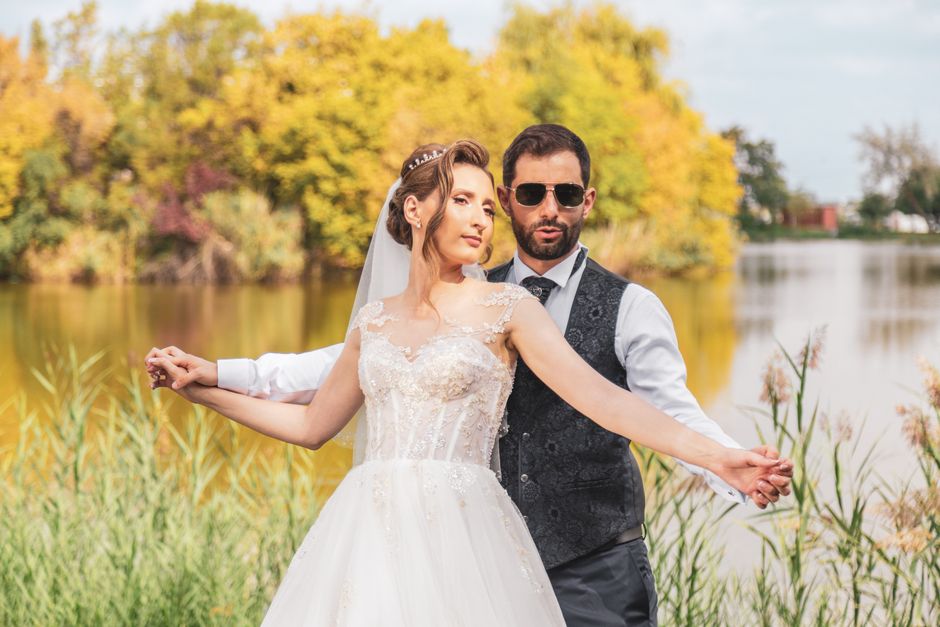
Fall Formal Wedding Guest Dresses: Find Your Best Fit
Find fall formal wedding guest dresses by comparing measurements, fabric, fit details, and return terms before ordering.
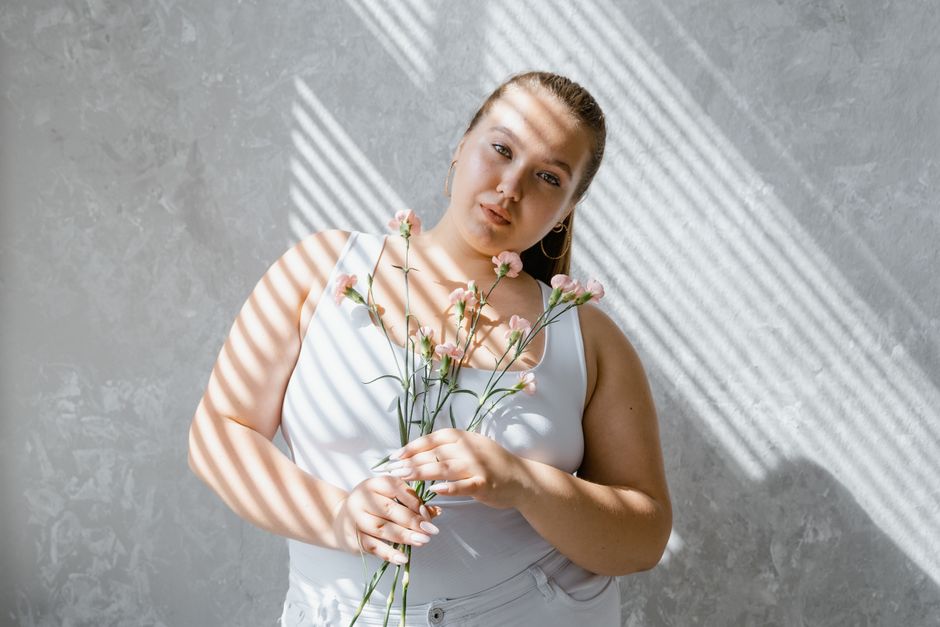
Cheap Plus Size Formal Dresses for Weddings: Find Real Value
Compare cheap plus size wedding dresses by total cost, fit risk, quality details, and return terms before you rent or buy.
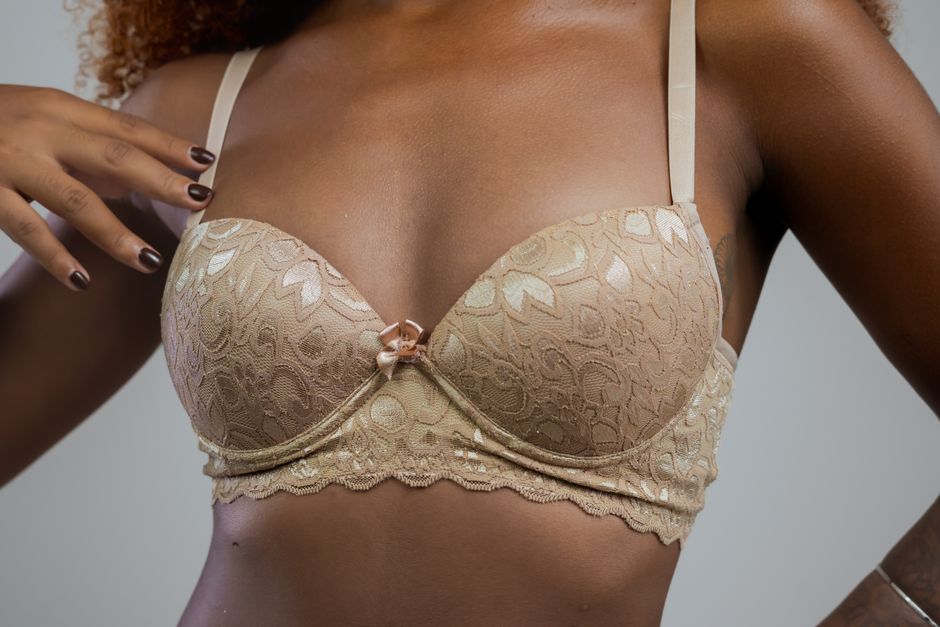
What Lingerie Should I Wear Under Different Outfits?
A fit-focused guide to invisible, comfortable lingerie for fitted dresses, sheer tops, leggings, white clothing, and backless outfits.